 PocketProof
The best first credit card is a no-annual-fee card that reports to all three credit bureaus (Equifax, Experian, and TransUnion). Use it for a few normal purchases each month and pay the full statement balance by the due date. Do that for six months and you'll have a credit score; keep doing it for a few years and you'll have a good one.
That's the whole strategy. The rest of this post is about picking the right card for where you are right now, understanding the two dates on every statement, and avoiding the handful of traps that turn a free tool into an expensive one.
How I did mine
My first card was a Bank of America travel rewards card with no annual fee. I didn't start with a student or secured card, and I didn't do anything clever with it. I use it for normal purchases, and every month I log in and pay the full balance by hand a few days before the due date.
My FICO score has been over 800 for three years running. It came from boring habits, not hacks: use the card, pay it in full, and repeat.
What should your first credit card be?
There are four common ways in. Which one fits depends on whether you're in school, whether you have your own income, and whether a bank already knows you.
| Route | Best for | What it takes | The catch |
|---|---|---|---|
| Student card | College students with a part-time job or other income | Proof of enrollment, some income | Low starting limits, sometimes a few hundred dollars |
| Secured card | No history, or past approvals that didn't go through | A refundable deposit, often $200 to $500, which becomes your limit | Your deposit is tied up until you upgrade or close it |
| Starter card from your bank | Anyone with a checking or savings account and steady income | An application; your bank already knows your history with them | Approval isn't guaranteed with no credit file |
| Authorized user | Under 21 without income, or anyone a trusted person can add | A parent or partner adds you to their card | Their late payments or high balances can show up on your report too |
Not sure which one is you? Walk through this:
Which first card fits you?
Four or five quick questions. Nothing is saved or sent anywhere.
Are you under 21?
Do you have income of your own, like a job or paid internship?
Have you been turned down for a card before, or do you have late payments or collections on your report?
Are you currently in college?
Do you have a checking or savings account at a bank or credit union that offers credit cards?
Under 21, the law requires your own income or a cosigner who's 21 or older, and many big issuers no longer take cosigners. Ask a parent with a long, on-time history and low balances to add you to one of their cards. You don't even need to carry the card. Make sure the issuer reports authorized users to the bureaus, and once you have a paycheck, apply for a card in your own name.
You put down a refundable deposit, often $200 to $500, and that becomes your limit. Pick one with no annual fee, reporting to all three bureaus, and a clear path to "graduate" to a regular card with your deposit returned. If you've had late payments or collections, our 12-month credit rebuild plan walks through the rest.
Student cards are designed for people with no history. Expect a low limit at first, and skip any with an annual fee. If you're turned down, a secured card is the backup that almost always works.
Look at your bank's or credit union's no-annual-fee cards, including simple cash-back or travel rewards cards. They can see your account history with them, which may help when your credit file is empty. Many banks offer a preapproval check that doesn't affect your score, so look for that before you formally apply. If it doesn't work out, a secured card is the backup.
Whichever route you land on, run every card through three checks before you apply: no annual fee, reports to all three bureaus, and nothing else you'd pay for (no monthly "maintenance" fee, no fee to raise your limit).
How does a credit card actually work?
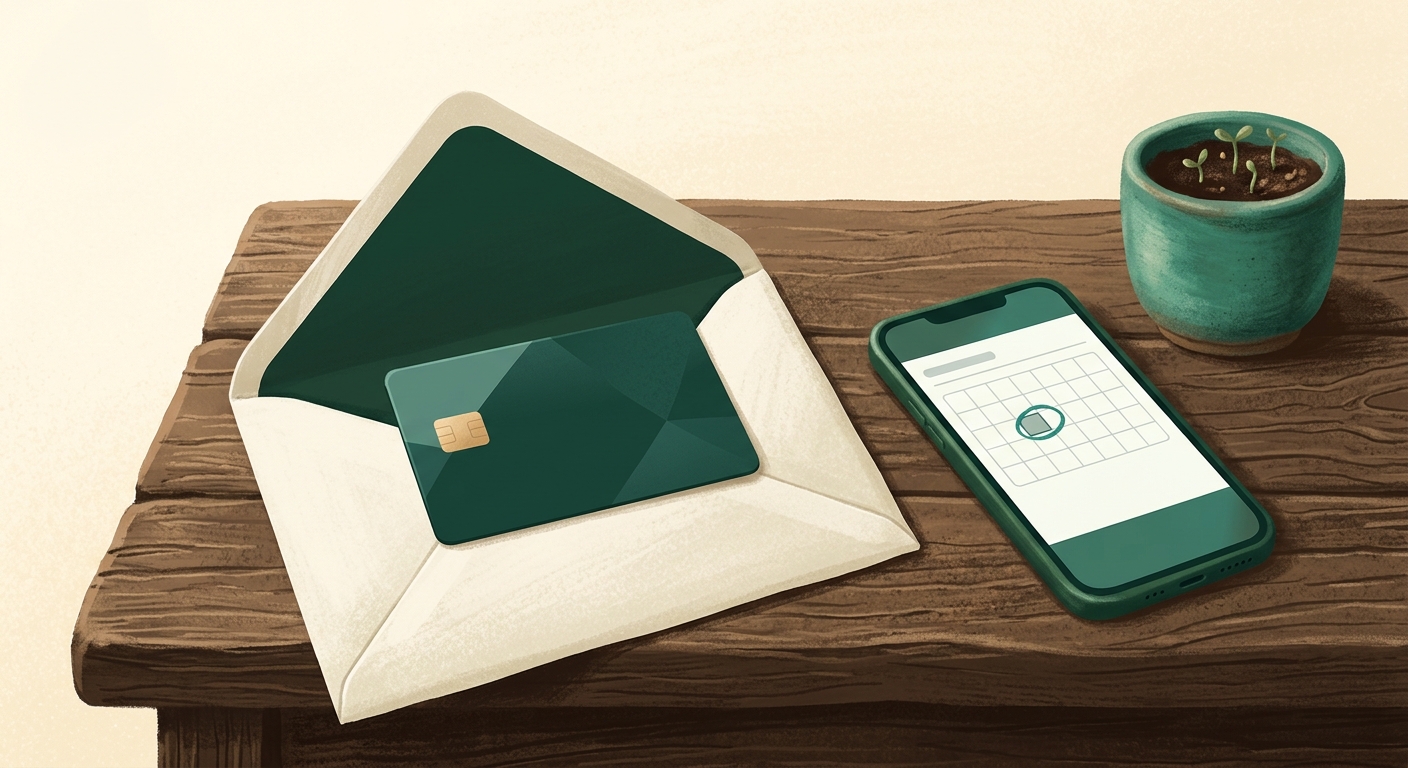
Every month, your card goes through the same cycle, and two dates matter:
- Statement closing date: the last day of your billing cycle. Everything you charged that month gets added up into your statement balance, and that's usually the number reported to the credit bureaus.
- Payment due date: by law, your bill has to reach you at least 21 days before this date. Pay the full statement balance by then and you owe no interest on those purchases. That window is called the grace period.
Your app will also show a current balance (everything charged so far, including purchases since the statement closed) and a minimum payment (the smallest amount that keeps you from a late fee). The number to pay is the statement balance. Paying the current balance is fine too. Paying only the minimum is where cards get expensive.
Miss the full statement balance and the grace period goes away. The leftover balance collects interest, and so do new purchases, starting the day you make them. In August 2026 the average rate on cards charging interest was 22.36%, per the Federal Reserve.
When should you pay your credit card bill?
Same card, same $400 of spending on a $1,000 limit, three ways to pay. Switch between them to see what gets reported and what it costs:
What your card reports this month
Interest uses 22.36% APR (Federal Reserve, August 2026) and a $35 minimum payment.
The first two options both cost $0. The only difference is how much of your limit shows as used that month, and that only matters right before you apply for something big. The third option is the one to avoid: $400 of normal spending turns into interest charges, and every purchase after it starts collecting interest too.
Does carrying a balance help your credit score?
No. This is the most common credit card myth, and it costs people real money. Your card reports a balance to the bureaus every month whether you pay it off or not, so paying in full builds exactly the same payment history. The only thing carrying a balance adds is interest.
Here's what FICO says actually drives your score:
- Payment history, 35%: did you pay on time, every time? Set a reminder or autopay so a due date never slips.
- Amounts owed, 30%: mostly how much of your limit you're using. Lower is better.
- Length of credit history, 15%: how long your accounts have been open. This is why your first card is worth keeping.
- New credit, 10% and credit mix, 10%: recent applications and the types of accounts you have.
A first card handled well covers the two biggest factors from day one.
How to set up your first card in the first week
- Turn on autopay for the statement balance, or set a calendar reminder a few days before the due date and pay it yourself like I do. Either way, never pay late. A single payment 30+ days late can stay on your report for years.
- Put one or two regular purchases on it. Gas, groceries, or a streaming subscription you already pay for. Small, predictable, and easy to cover.
- Treat it like a debit card. Only charge what's already in your checking account. If you wouldn't buy it with cash, don't buy it with the card.
- Turn on alerts for every purchase and for when your statement is ready. It's the fastest way to catch fraud and spending creep.
- Check your credit report once your first statement posts, at AnnualCreditReport.com (free), to confirm the card is showing up.
What first-card traps should you avoid?
- Store cards at checkout. "Save 20% today if you open a card" usually means a high interest rate on a card you can only use in one store.
- 0% promos you can't pay off in time. Some store financing uses deferred interest, which charges all the back interest if you miss the deadline by a dollar. Here's how the 0% APR trap works.
- Annual fees on a first card. Rewards rarely make up for a fee when you're spending a few hundred dollars a month.
- Applying for several cards at once. FICO says one hard inquiry usually costs fewer than five points and only counts for a year, but a handful in a row makes you look riskier when your file is thin.
- Cash advances. Using the card at an ATM usually means a fee plus interest from day one, with no grace period.
- Chasing rewards. Points are a bonus for spending you'd do anyway. Spending more to earn them is how a free card stops being free.
What happens after the first 6 to 12 months?
After about six months, you'll have a FICO score. FICO needs an account that's been open at least six months and one that's been reported in the last six months. From there:
- Secured card? Ask about graduating to a regular card. Some issuers review you automatically after several months of on-time payments and return your deposit.
- Ask for a limit increase once you've had the card for a while and your income has gone up. A higher limit with the same spending lowers your utilization.
- Keep your first card open, even if you get a better one later. If it has no annual fee, it keeps adding age to your credit history. Here's why closing your oldest card can hurt your score.
Common first credit card questions
Can I get a credit card at 18?
Yes, but under 21 you'll need to show your own income or have a cosigner who's 21 or older, and many major issuers no longer accept cosigners. Without income, becoming an authorized user on a parent's card is the usual first step.
How long until I have a credit score?
About six months. FICO needs an account open for at least six months and an account reported within the last six months.
Does checking my own credit score hurt it?
No. Checking your own score or report is a soft inquiry, which doesn't affect your score. Only applications for new credit create hard inquiries.
Should I pay before the statement closes or by the due date?
Either is fine. Paying the statement balance by the due date is the simple, free default. Paying before the statement closes lowers the balance that gets reported, which is worth doing in the month or two before you apply for a car loan or an apartment.
What if I already have a balance I can't pay off?
Stop adding to it, then pay it down. Our guide to the true cost of minimum payments shows what it's costing, the APR drop script can lower the rate, and snowball vs. avalanche helps you choose a payoff order.