 PocketProof
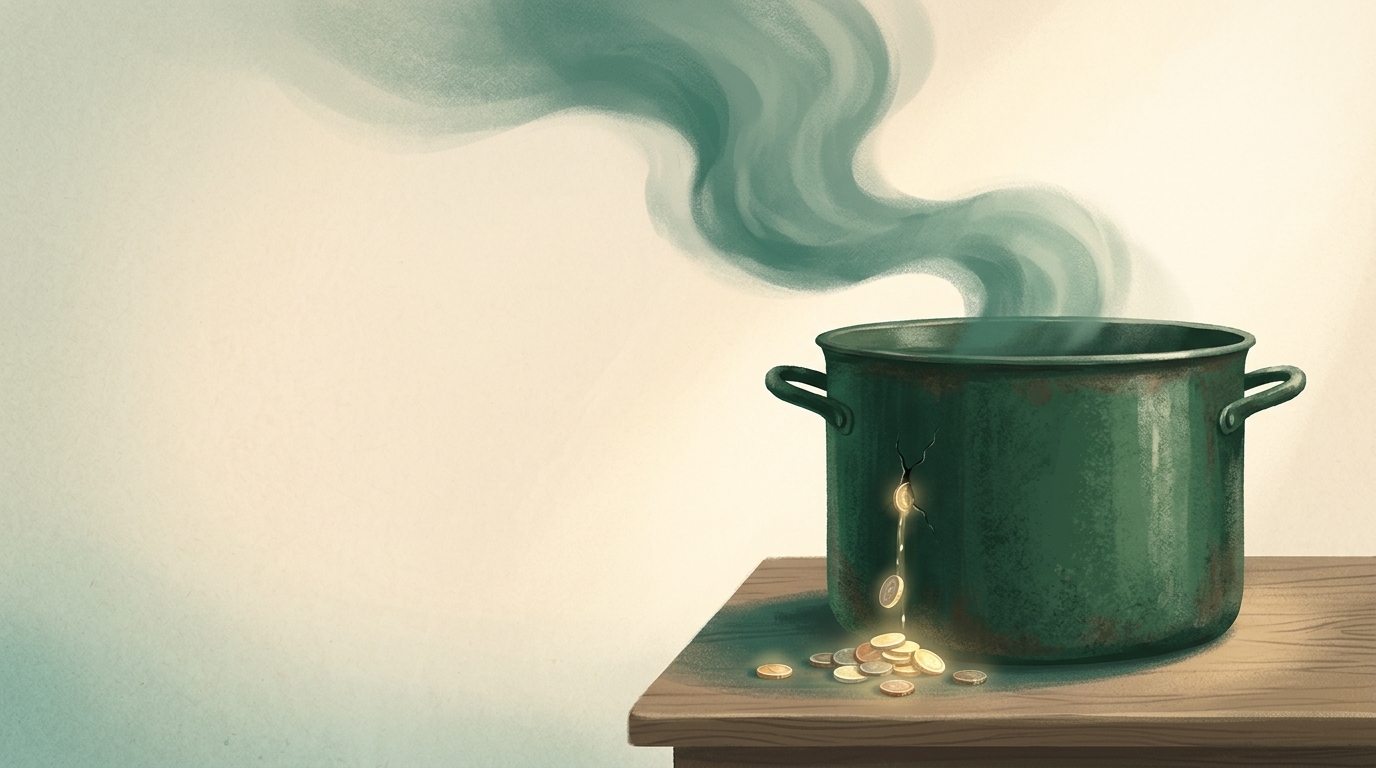
Most "save money on groceries" advice is about spending less at checkout — clip coupons, buy the store brand, hunt for sales. All of that helps a little. But it skips the bigger, quieter leak: food you already paid for that never gets eaten. That's not a smaller grocery bill, it's the same bill plus money spent replacing what got thrown out. Fixing that is worth more than almost any couponing habit, and it doesn't require eating worse.
Where the money actually goes
Three separate leaks hide inside one grocery bill, and they need different fixes:
- Waste — food bought with good intentions that spoils, gets forgotten in the back of the fridge, or never fits into an actual meal.
- Unit price traps — assuming the bigger size or the "family pack" is automatically the better deal per ounce, without checking.
- Unplanned trips — grabbing extra items on a second or third mid-week run, which tend to be higher-margin convenience items, not staples.
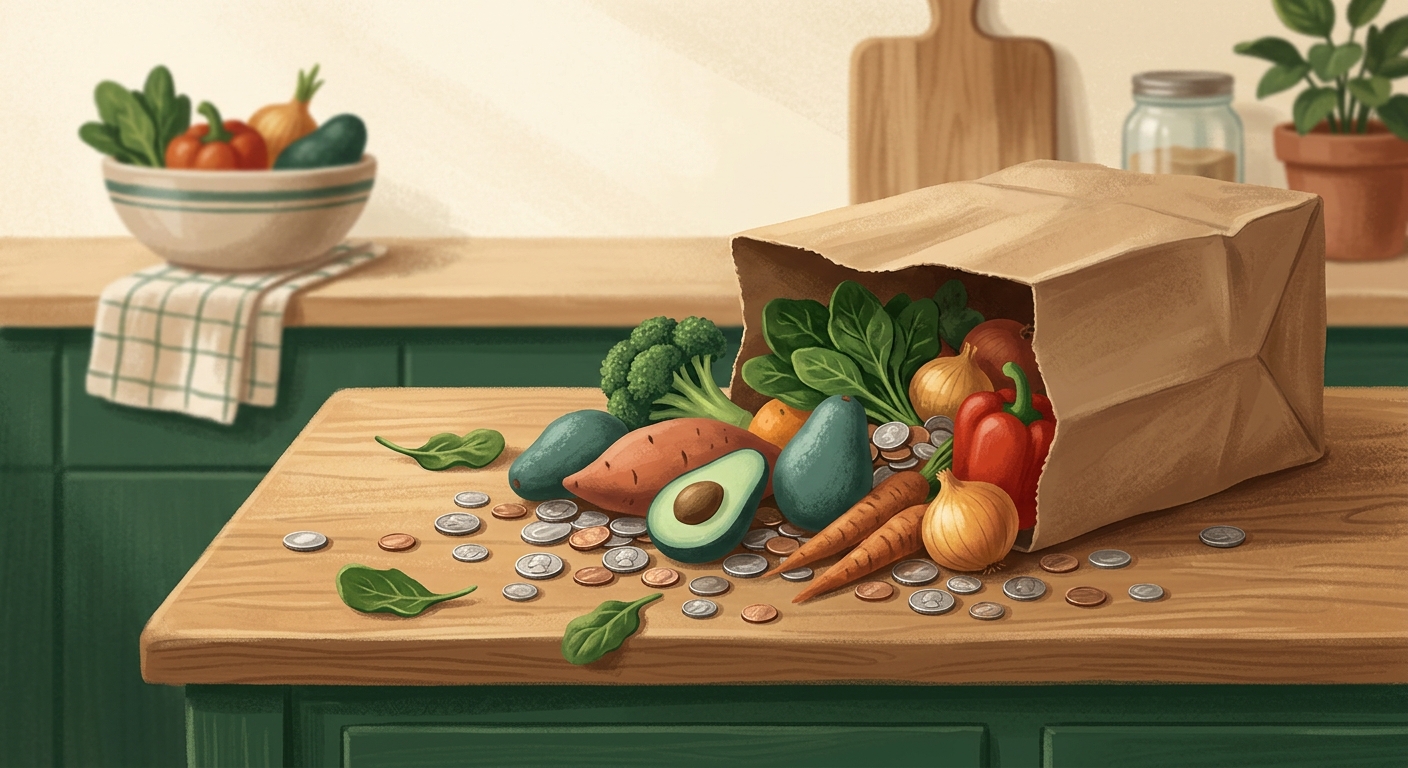
What waste actually costs, by grocery budget
Food waste estimates vary by household, but 25-30% of groceries going unused is a commonly cited range. Here's what that actually adds up to at a few different weekly grocery budgets:
| Weekly grocery spend | At 30% waste | Annual cost of waste | Recovered if cut to 15% |
|---|---|---|---|
| $100/week | $30/week | $1,560/year | $780/year |
| $150/week | $45/week | $2,340/year | $1,170/year |
| $200/week | $50/week (at 25%) | $2,600/year | $1,560/year (to 10%) |
Estimate your own waste cost
Be honest about the waste percentage — most people underestimate it until they actually track a week.
Grocery waste cost calculator
Based on your own estimate — track one real week of what actually gets thrown out for a more accurate number.
The unit price trap, verified
A 12 oz jar priced at $3.99 comes to $0.33/oz. A 20 oz "value size" of the same product priced at $7.49 comes to $0.37/oz — 12.6% more per ounce, despite looking like the bigger, better deal at a glance. Most stores print a unit price on the shelf tag in small text — checking it before assuming "bigger is cheaper" catches this every time.
The habits that actually move the needle
- Plan meals before you shop, not after. A list built around actual meals for the week means less gets bought "just in case" and more of it gets used before it spoils.
- Give perishables a home you'll actually see. A designated "eat this first" spot at eye level in the fridge — for the produce closest to going bad — prevents the classic "forgot it was in there" waste.
- Switch to store brand on staples specifically, not everything. The savings on pantry basics (flour, spices, canned goods) is usually meaningful and the quality difference is minimal; it matters more on items where you actually notice quality differences.
- Batch-cook and freeze in single portions. Turns one cooking session into several future meals and gives wilting produce somewhere to go before it's wasted.
- Shop with a list and a limit on unplanned trips. The 30-day delay rule is built for bigger purchases, but the same "did I actually plan for this" question works well for the mid-week convenience-store run too.
None of this requires eating worse or grinding through a strict meal plan forever — it's mostly about catching the money that's already leaving quietly through waste and unit-price mistakes before reaching for a stricter budget. If cutting the grocery bill is part of a bigger push, our 10 practical ways to cut monthly expenses covers the rest of the budget, and if eating out is competing with your grocery budget for the same dollars, our eating out vs. cooking at home breakdown covers that specific trade-off. Ready to put real numbers behind a full month of intentional spending? Our No-Spend Month Challenge is a good next step.