 PocketProof
Credit card guilt makes you stop opening the app, which is exactly how a manageable balance turns into an unmanageable one. The fix isn't feeling less guilty. It's building a plan specific enough that guilt has nothing left to attach to.
Why guilt makes the debt worse, not better
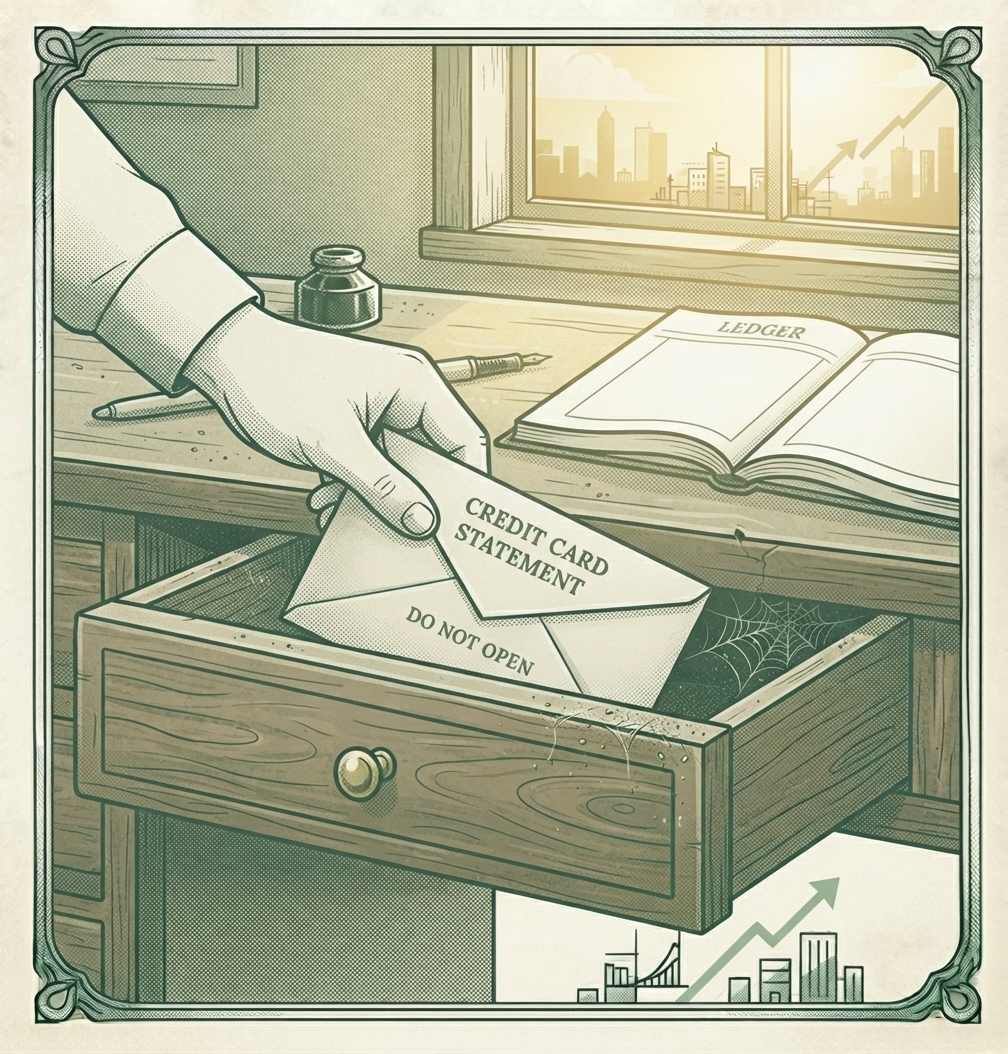
Shame and avoidance are the same behavior wearing different names. When checking your balance feels like a punishment, you check it less. A balance nobody's watching drifts upward quietly, one "I'll deal with it later" purchase at a time. The guilt was supposed to motivate you. Instead it just removed the one habit (actually looking at the number) that would have caught the problem early.
The second trap is perfectionism: after one slipped month, a lot of people conclude the whole plan is broken and quietly abandon it, rather than just... continuing from where they are. A plan that assumes you're human survives contact with a real month. A plan that assumes you're not, doesn't.
Common guilt triggers, reframed
| What guilt says | What's actually true |
|---|---|
| "I should never have used the card for this." | The purchase already happened. The only decision left is what you do about the balance starting today. |
| "I'm behind where I should be at my age/income." | Comparisons don't pay down a balance. Your own plan, followed consistently, does. |
| "I missed a month, so I've ruined the plan." | A missed extra payment is one month out of many. The plan picks up exactly where it left off. No restart. |
| "I should be able to do this without help or a written plan." | A plan you wrote down and can look at is a tool, not a sign you're bad with money. |
The realist's plan vs. the perfect plan
A perfect plan pays extra every single month, never touches the card again, and never has a bad month. A realist's plan does three things differently: it names one debt to target first, it states exactly what the extra payment is (not "whatever's left"), and it decides in advance what happens on a month that doesn't go as planned, so that month doesn't become an excuse to quit.
If you haven't picked a target order yet, our debt snowball vs. avalanche comparison walks through both approaches with real numbers. Either one works inside a realist's plan. The method matters less than whether you actually follow it.
Build your realist's payoff plan
Fill in your own debts and commitments below. Nothing here gets sent anywhere. Screenshot it, print it, print, or copy down.
Your realist's payoff plan
Enter up to three debts, your extra monthly amount, and the part most plans skip: what you'll do on a month that doesn't go as planned.
This plan doesn't change if one month goes sideways. Come back and update the balances whenever you want. That's maintenance, not a restart.
What to actually do the first time you slip up
Nothing dramatic. Pay the minimums, skip the extra payment that month, and pick the plan back up next month exactly where it left off. The plan needs you to still be following it in six months, and the version of the plan that survives an off month is the one that assumed you'd have one.
If the interest rate itself is what makes a bad month feel catastrophic, a lower rate takes real pressure off. See our credit card APR negotiation script for a 15-minute call that can meaningfully shrink what "behind" costs you. And whichever plan you land on, make the extra payment a real line item in your monthly plan using zero-based budgeting. A payment that only happens with leftover money is the exact pattern a realist's plan is built to avoid.
Paying down the debt is one half of the picture. If the balances also damaged your credit, our 12-month credit rebuild checklist covers repairing that side at the same time, not after.